Trying to Win Arguments? Give Up. (Maybe)
Winning arguments can actually cost you influence. Consider this instead.

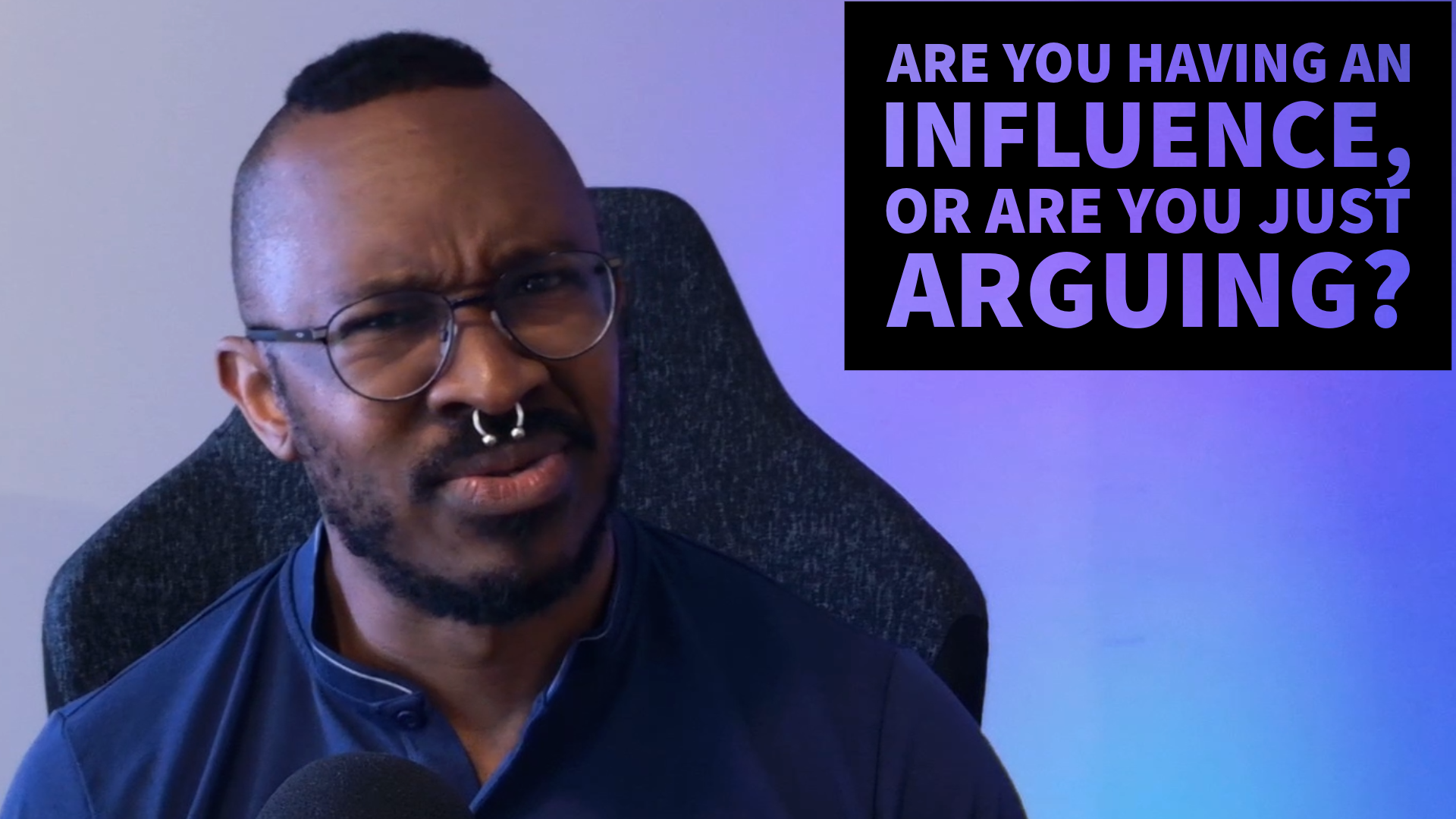
I’m so excited! On Monday, my TED Talk came out on YouTube. I’m looking forward to equipping everyday people to navigate conflict in new ways. Take a look!
I’m also excited about sharing a lot more of my insights, tips and expertise about connecting with people despite (or because of) conflict. This time, I’m focusing on the difference between argument and influence. They overlap, but they’re not quite the same. Be sure you know which one you should use in a given situation… and which one your heart really wants. We can be our own worst enemies if we’re not honest with ourselves about the emotional baggage we bring into a tense situation.
CHAPTERS
- 00:00 - Introduction to Conflict and Connection
- 02:56 - Understanding Argument vs. Influence
- 06:02 - The Role of Negativity Bias in Influence
- 09:12 - The Dignity of Decision in Influence
- 11:54 - Finding Common Ground for Influence
- 14:51 - Call to Action
FULL TRANSCRIPT
Timestamp: 00:00
Hey there, it's Joshua. My TED Talk finally came out on YouTube, and I am so excited. Now the whole world has a very high perch to hear what I have to say about connecting through conflict. I want to use this space to talk to you, answer some of your questions, and share some of my thoughts. One of the key themes in my talk is moving in close to learn as much as you can about the person whose views you can't stand—about the "idiots," quote-unquote, that you have to deal with. It's really easy to misunderstand that, and based on some of the comments I'm getting, quite a number of people didn't really hear what I had to say.
Timestamp: 01:30
There is a place for argument. Sometimes you have different points of view that will not reconcile, and only one can logically be the victor. But argument is often different from influence. You may want to get clear on which one you actually want to do: Do you want an argument with them, or do you want influence over them? If you want to argue, you have to get someone else to agree with you. But if you want influence, you have to get them to agree with themselves. Arguing is a collision; it's like a boxing match where two fighters come to the center of the ring and duke it out. There's room for that. People say there's so much conflict in our democracy, but democracy is conflict. If we couldn't argue over our points of view, we wouldn't need a democracy—we'd have a dictatorship. Conflict is not a bug; it's a feature. We just have to learn to work within that feature so that it doesn't drive us apart.
Timestamp: 03:00
When it comes to influence, you have to play on different human tendencies. You've got to understand people have a very strong negativity bias. We don't like being the target of somebody else's anger, hate, or fear, so we notice it as a survival mechanism. It doesn't mean you're pessimistic or cynical; that's just the way we're wired. The good news is you can use that negativity bias to be more influential if you know how. People like to feel like their view of the world works. It may not make perfect sense, but it gets them through the day. If you bring a contrasting idea that threatens that worldview, their brain hits the brakes: "I don't really feel like learning anything new. The world is scary enough without a clear paradigm, so maybe you should leave me alone."
Timestamp: 04:30
That resistance might feel cowardly or anti-intellectual, but people simply don't like change. I've heard it said that the only people who like change are babies in dirty diapers. Rather than fight that tendency, you can make it work for you. Remember that line from Hamlet’s soliloquy: "Conscience doth make cowards of us all, and makes us rather bear those ills we have than fly to others which we know not of." It's the preference for the devil we know. If your new, contrasting idea is going to bedevil what I already know, I don't want any part of it. You have to work your way around that preference.
Timestamp: 06:00
Here’s the starting place: You’re asking someone to change their beliefs. Is there anything in their existing system of beliefs that they can keep after they agree with you? Are there any of their current perspectives that don't need to change in order to accept what you're telling them? Figure that out, and you're basically home free. The beauty of that is it spares people from feeling like you are disorienting and upending everything they know—that your point of view is gold and theirs is crap. If you can say, "Hey, I agree with you on A, B, and C, but consider this one additional perspective," it is a heck of a lot easier than demanding they throw away everything they thought they knew. They don't have to give up their whole life to adopt one new insight.
Timestamp: 07:30
Think back to the last time you really tried to change somebody's mind. How much of their mind were you actually trying to change? Were you trying to get them to buy into one thing, or were you secretly wishing that they thought completely differently about everything in their life? If you were secretly wishing for wholesale change, that may be why it failed. People detect when your intentions aren't honest—when you aren't trying to change their mind about A, B, or C, but want them to learn a whole other alphabet. You can't connect through argument; you compete through argument. You connect through influence, and influence just means pulling someone a little bit in a particular direction.
Timestamp: 09:00
Sometimes just giving people the dignity of their own decisions makes all the difference. Giving people the dignity of decision is vital to maintaining their respect and open-mindedness. They will not be malleable or persuadable if they feel like you are coming to smack them over the head and pour something else in there. That includes giving people the freedom to decide not to agree with you—at least not today. Having the courage to back off and say, "I appreciate you hearing me out; maybe we talk about this another time, maybe we don't," is hugely influential. It shows you're not in some manufactured crisis to change their mind before a flight you have to catch. Urgency is off-putting; stripping it away gives people room to think.
Timestamp: 10:30
In our political world today, people are desperately looking for a place that feels like home. Ideological change feels like flying to a foreign country where you don't speak the language, don't own the currency, and have no one to help you navigate once the person who won the argument walks away. What is going to be their North Star? That's why influence is so powerful: it says, "I don't need you to rewrite the whole map of your world. You still belong here. I just want to show you some new avenues and a different route across town to get where you want to go." You keep them on familiar ground rather than exiling them to an unfamiliar country.
Timestamp: 12:00
If you're trying to make a connection with somebody, get clear on what you actually want from them. Do you want to just destroy their point of view and disappear? What results will you have to show for that? Odds are they may submit to you in the moment out of exhaustion, and the minute you walk away, think, "Glad that fool is gone," and revert right back to their original stance. If that's the result you want, that's your choice. But if you want to win people over, your best bet is to find the smallest, most bite-sized part of your perspective that you can integrate alongside their existing views, and then push gently in that direction.
Timestamp: 13:30
Taking the incremental approach isn't going to give you that feeling of chest-thumping vindication, but what it will do is work. It will get you a result you can actually build on. Some people cannot be influenced in a few minutes; some people take months or longer. But you cannot begin that journey unless you get small wins first and respect people enough not to blow up their entire worldview. There is room for collision, and there is room for connection—you just have to decide what outcome you are actually looking for.
HIGHLIGHTS
00:00:58 — Why Does Winning an Argument Rarely Change Someone's Mind?
"There is a place for argument. Sometimes you have different points of view that will not reconcile, and only one can logically be the victor. But argument is often different from influence. You may want to get clear on which one you actually want to do: Do you want an argument with them, or do you want influence over them?
Here’s what I mean: If you want to argue, then you have to get someone else to agree with you. But if you want influence, you have to get them to agree with themselves. I know that sounds insane, but arguing is a collision—it’s like a boxing match where two fighters come to the center of the ring and duke it out. Argument is a competition; you connect through influence, and influence just means pulling someone a little bit in a particular direction."
00:05:32 — How Do You Overcome the Fear That Makes People Reject New Ideas?
"Here's the starting place: You’re asking someone to change their beliefs. Is there anything in their existing system of beliefs that they can keep after they agree with you? Are there any of their current perspectives or current points of view that don't need to change in order to accept what you're telling them? Figure that out, and you’re basically home free. It will make everything else much, much easier to deal with.
The beauty of that is it spares people from feeling like you are disorienting and upending everything they know—that you're saying, 'Your point of view is crap, my point of view is gold, you need to get with me and figure out your life.' If you can say, 'Hey, I agree with you on A, B, and C, but D and E are different—just keep those points of view and consider this one additional one,' it’s a heck of a lot easier than demanding they throw away everything they thought they knew."
00:08:46 — Why Does Pushing for an Immediate Agreement Always Backfire?
"Sometimes just giving people the dignity of their own decisions makes all the difference in trying to move somebody's point of view. Giving people the dignity of decision is vital to maintaining their respect and their open-mindedness. They will not be malleable, they will not be movable or persuadable, if they feel like you are coming to smack them over the head and pour something else in there.
That includes giving people the freedom to decide not to agree with you—at least not to agree with you today. Having the courage to back off and go, 'You know what, I appreciate you hearing me out; maybe we talk about this another time, maybe we don't,' also is hugely influential. It shows you're not in some crazy crisis to change their mind before this flight you've got to catch. Some people are so urgent that it's off-putting. When you strip that urgency away, people don't feel the need to run."
00:12:42 — How Do You Create Lasting Persuasion Instead of Temporary Concession?
"If you're trying to make a connection with somebody, get clear on what it is that you actually want from them. Do you want to just destroy their point of view and disappear? What results is that going to get? Odds are that they may submit to you in the argument, and then the minute you walk away be like, 'Glad that fool is gone,' and go right back to thinking the way they were thinking.
If, however, you want to win people over to your point of view, your best bet is to find the smallest, most bite-sized part of that point of view that you can integrate alongside their existing views and then push in that direction. You’re not going to come away with that feeling of chest-thumping vindication, but what it will do is work. It will get you a result that you can build on, because you respected them enough not to try to blow up their entire worldview."